Introducing solid foods
How do I know my baby is ready for solid foods?
Signs that your baby is ready to start eating solid foods:
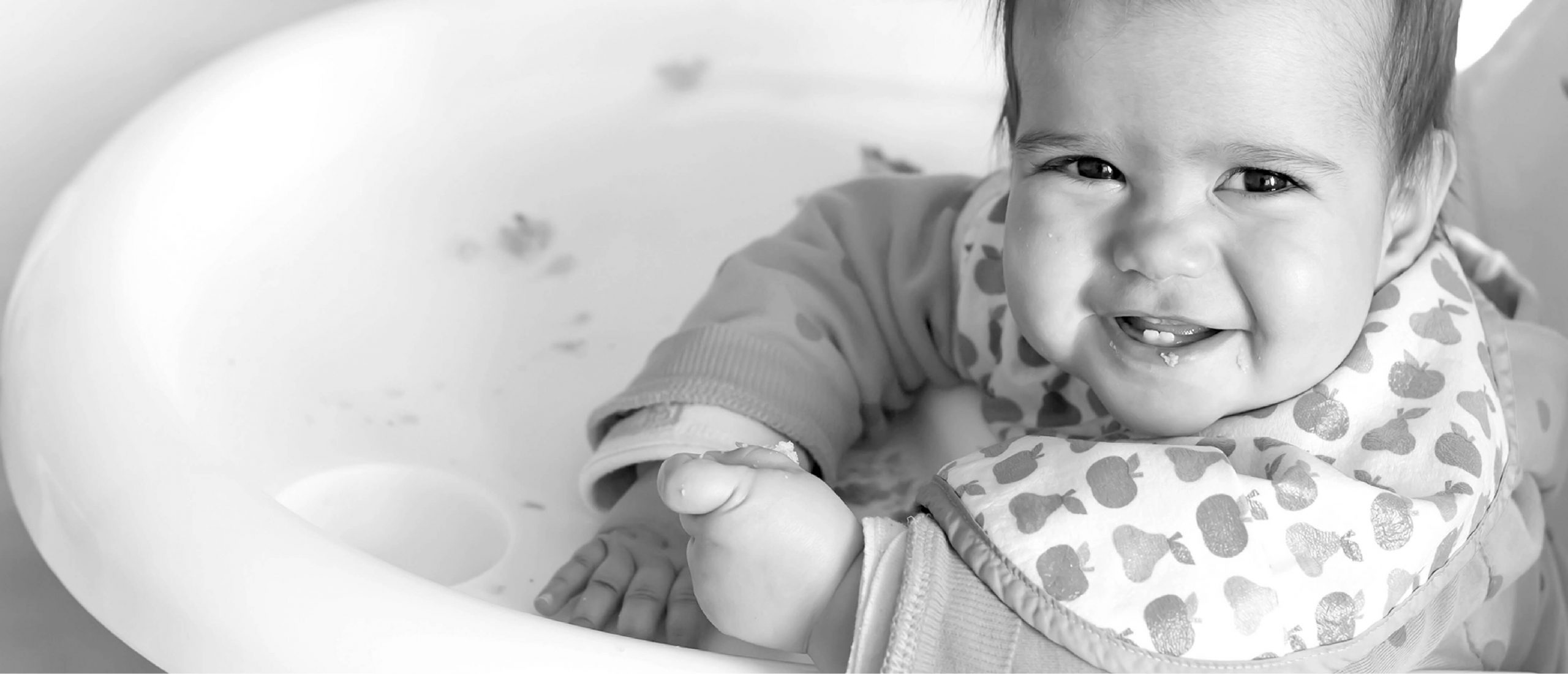
Example of a baby who has just started eating.
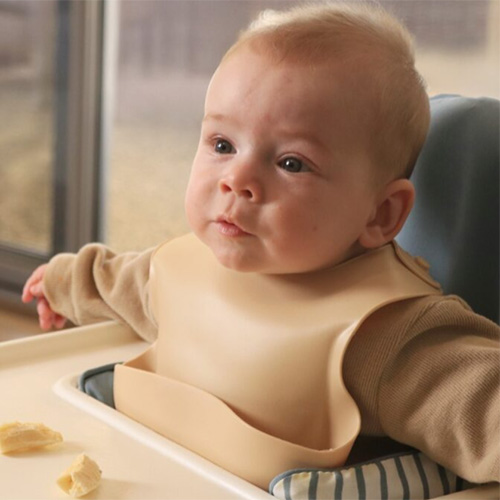
Your baby has good head and neck control and can sit upright when supported.
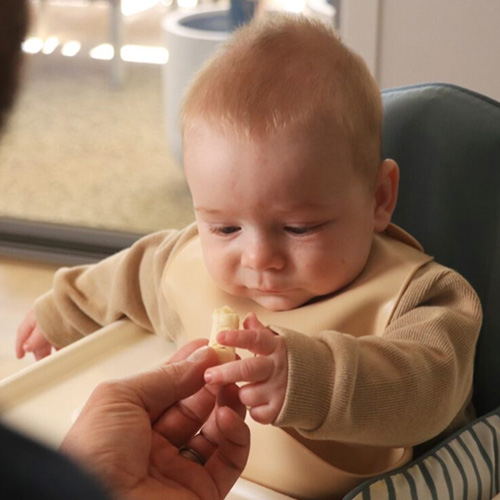
Your baby shows an interest in food. For example, they look at or reach out for food.
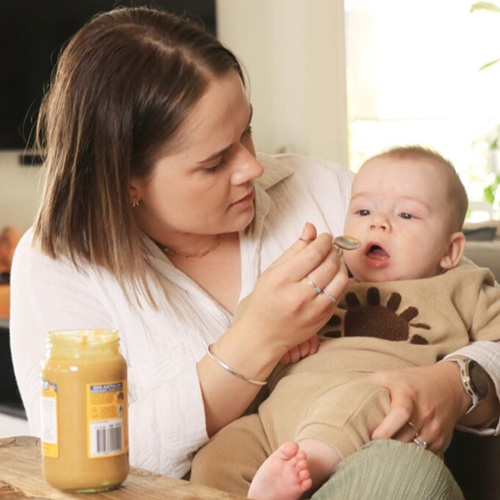
Your baby opens their mouth when offered food on a spoon.
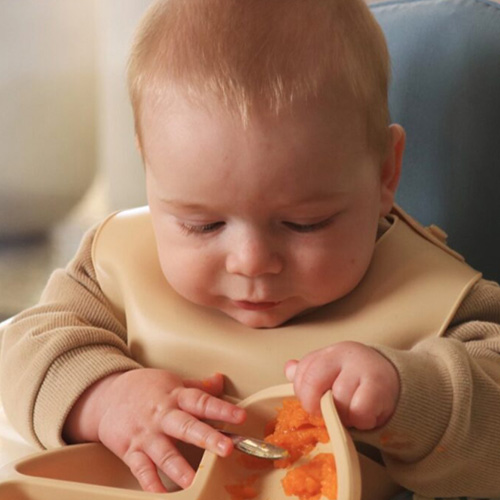
Your baby seems to be more hungry, is feeding more often, and wants more breast milk or formula at the end of their usual feed.
Example of a baby with more eating experience.
Your baby has good head and neck control and can sit upright when supported.
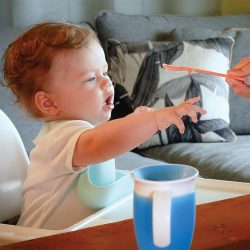
Your baby shows an interest in food. For example, they look at or reach out for your food.
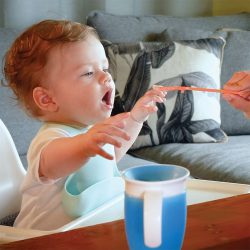
Your baby opens their mouth when offered food on a spoon.
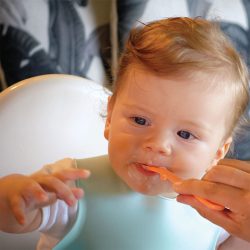
Your baby has an increased appetite, is feeding more often, and wants more breast milk or formula at the end of their usual feed.
If your baby is not eating solid foods by 7-8 months of age, see your child health nurse, doctor or dietitian.
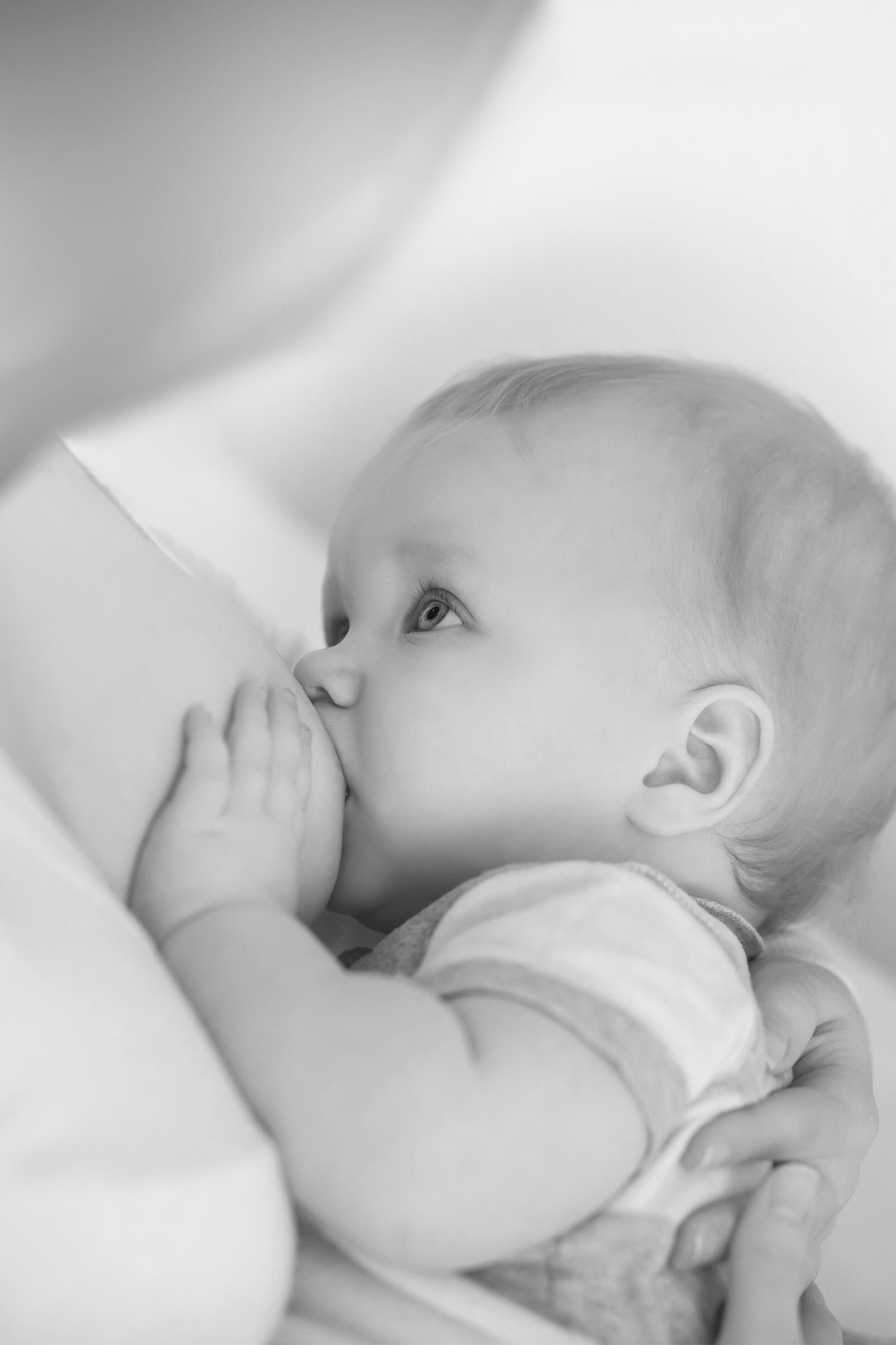
Continue to breastfeed where possible when introducing solid foods to your baby.

Breastfeeding while introducing solid foods
Exclusive breastfeeding is recommended for around 6 months. Continue breastfeeding while introducing solid foods until 12 months of age and beyond, for as long as mother and child wish to continue.
Breastfeeding may not prevent food allergies but is recommended for the many other benefits it provides to both mothers and babies.
If possible, continue to breastfeed while you introduce solid foods to your baby.
If breastfeeding is not possible, a standard cow’s milk-based infant formula can be given.
Current research shows:
- that soy or goat’s milk formula does not reduce the chance of allergies developing when compared to standard cow’s-milk based formula.
- that the use of partially hydrolysed formulas (usually labelled ‘HA’ or Hypoallergenic) or extensively hydrolysed formulas does not reduce the chance of developing eczema, food allergy, asthma or hay fever (allergic rhinitis) in babies or toddlers.
Regular cow’s milk, goat’s milk, or other mammal derived milks, soy milk, nut and cereal beverages such as rice, oat and almond milk are not recommended for babies as their main source of milk before one year of age as they do not provide the same nutrition as breast milk or infant formula.
For more information about infant feeding, you may wish to visit the Raising Children’s Network.

Nip allergies in the Bub Food Follower App
The National Allergy Council has developed the Food Follower App to help you introduce the common allergy causing foods into your baby’s diet.
The app will provide you with tips on how to introduce the common allergy causing foods through food ideas and recipes and help you keep track of which ones have been introduced.
It will also provide reminders to help you continue to offer the common allergy causing foods once introduced.