Tips on how to offer food to your baby

Tips on how to offer your baby food

Tips on how to offer peanut to your baby
Tips on how to start peanut
- Choose a day that your baby is well.
- Mix smooth peanut paste or a small amount of powdered peanut butter into a food that your baby is used to eating. This could be mashed or pureed meats, vegetables, fruit, baby cereal or yoghurt.
- Start with a small amount of peanut paste or powder (such as a quarter of a teaspoon) and increase over the next couple of days until they are eating around 1-2 teaspoon or more.
- Watch for signs of an allergic reaction. If you think your baby is having an allergic reaction, stop feeding your baby peanut and seek medical advice. More information is available here. Keep introducing the other allergy causing foods.
- If all goes well, keep offering peanut at least once a week.

Tips on how to offer egg to your baby
Tips on how to start egg
- Choose a day that your baby is well.
- Mix well mashed or pureed hard boiled egg into a food that your baby is used to eating. This could be mashed or pureed meats, vegetables, fruit, baby cereal or yoghurt. You may need to add some water to the egg when mashing it to get it to the right texture.
- Start with a small amount of egg (such as a quarter of a teaspoon) and increase over the next couple of days until they are eating around ¼ of an egg or more.
- Watch for signs of an allergic reaction. If you think your baby is having an allergic reaction, stop feeding your baby egg and seek medical advice. More information is available here. Keep introducing the other allergy causing foods.
- If all goes well, keep offering egg at least once a week.

Tips on how to offer wheat to your baby
Tips for first time wheat introduction
- Offer your baby their first foods when they are ready – more information about signs of readiness are available from the Nip allergies in the Bub website.
- Make sure the food is the right texture for your baby’s eating stage.
- First foods should be smooth progressing to having some soft lumps.
- Offer iron fortified, wheat-based baby cereals.
- Try semolina porridge mixed with breast milk or infant formula.
- Watch for signs of an allergic reaction. If you think your baby is having an allergic reaction to the food, stop feeding your baby that food and seek medical advice. More information is available here.

Tips on how to offer cow’s milk to your baby
Tips for first time cow’s milk introduction
- Standard infant formula are based on cow’s milk, so if you are using standard infant formula, you are already feeding your baby cow’s milk.
- Offer your baby their first foods when they are ready – more information about signs of readiness are available from the Nip allergies in the Bub website.
- Make sure the food is the right texture for your baby’s eating stage.
- First foods should be smooth progressing to having some soft lumps.
- Offer plain, unsweetened full fat yoghurt.
- You might like to try adding smooth ricotta to pureed vegetables or fruit.
- You could mix a small amount of plain, unsweetened custard with baby cereal or fruit puree.
- Watch for signs of an allergic reaction. If you think your baby is having an allergic reaction to the food, stop feeding your baby that food and seek medical advice. More information is available here.

Tips on how to offer tree nuts to your baby
Tips for first time tree nut introduction
- Offer your baby their first foods when they are ready – more information about signs of readiness are available from the Nip allergies in the Bub website.
- Make sure the food is the right texture for your baby’s eating stage.
- First foods should be smooth progressing to having some soft lumps.
- Dilute smooth tree nut pastes with water and stir into pureed vegetables or pureed fruit.
- You may wish to offer your baby one tree nut at a time. If this is the case, finely grind the tree nut and add it to pureed vegetables or pureed fruit.
- Watch for signs of an allergic reaction. If you think your baby is having an allergic reaction to the food, stop feeding your baby that food and seek medical advice. More information is available here.

Tips on how to offer sesame to your baby
Tips for first time sesame introduction
- Offer your baby their first foods when they are ready – more information about signs of readiness are available from the Nip allergies in the Bub website.
- Make sure the food is the right texture for your baby’s eating stage.
- First foods should be smooth progressing to having some soft lumps.
- An easy way to introduce sesame is to add tahini to fruit or vegetable purees.
- Watch for signs of an allergic reaction. If you think your baby is having an allergic reaction to the food, stop feeding your baby that food and seek medical advice. More information is available here.
Tips on how to offer soy to your baby
Tips for first time soy introduction
- Offer your baby their first foods when they are ready – more information about signs of readiness are available from the Nip allergies in the Bub website.
- Make sure the food is the right texture for your baby’s eating stage.
- First foods should be smooth progressing to having some soft lumps.
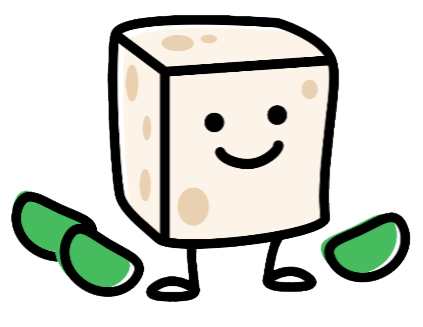
- Tofu can be mashed until smooth and mixed into fruit or vegetable purees.
- Watch for signs of an allergic reaction. If you think your baby is having an allergic reaction to the food, stop feeding your baby that food and seek medical advice. More information is available here.

Tips on how to offer fish to your baby
Tips for first time fish introduction
- Offer your baby their first foods when they are ready – more information about signs of readiness are available from the Nip allergies in the Bub website.
- Make sure the food is the right texture for your baby’s eating stage.
- First foods should be smooth progressing to having some soft lumps.
- Tinned salmon or tuna can be mashed and mixed into pureed vegetables.
- Try steamed, boneless white fish finely shredded and stirred into pureed vegetables.
- Watch for signs of an allergic reaction. If you think your baby is having an allergic reaction to the food, stop feeding your baby that food and seek medical advice. More information is available here.

Tips on how to offer shellfish to your baby
Tips for first time shellfish introduction
- Offer your baby their first foods when they are ready – more information about signs of readiness are available from the Nip allergies in the Bub website.
- Make sure the food is the right texture for your baby’s eating stage.
- First foods should be smooth progressing to having some soft lumps.
- Try crabmeat or prawns, steamed, mashed and mixed with pureed vegetables.
- Watch for signs of an allergic reaction. If you think your baby is having an allergic reaction to the food, stop feeding your baby that food and seek medical advice. More information is available here.
Eczema and food allergy
Find out about eczema and the link with preventing food allergy.
Information about managing eczema
Find practical information about how to manage your baby’s eczema well.